GPT-Live-1 Brings Full-Duplex Voice Workflows to the API
OpenAI’s new voice API can listen and speak at the same time while delegating deeper work to backend models. Natural turn-taking is only one part of a reliable voice system.

OpenAI released GPT-Live-1 in the API on September 10, 2026. The model handles incoming and outgoing audio together, allowing a voice application to listen and speak at the same time instead of forcing every conversation into rigid turns.
What changed
GPT-Live-1 is positioned as the front-end voice layer. It handles interruption, silence, background noise, transcription and speech generation, while deeper reasoning and tool work can be delegated to a separate backend model or agent harness.
OpenAI reports a 30-percentage-point improvement over GPT-Realtime-2.1 on its Full Duplex Bench. That is a vendor evaluation, so teams should repeat tests with their own languages, accents, phone networks and workflows. The announced API price is $0.05 per minute for the voice layer, excluding backend model and tool costs.
Why it matters
Traditional voice stacks chain speech recognition, a language model and text-to-speech. Each boundary adds latency and another place where timing or conversational context can break. A full-duplex model can simplify that path and make interruption feel less mechanical.
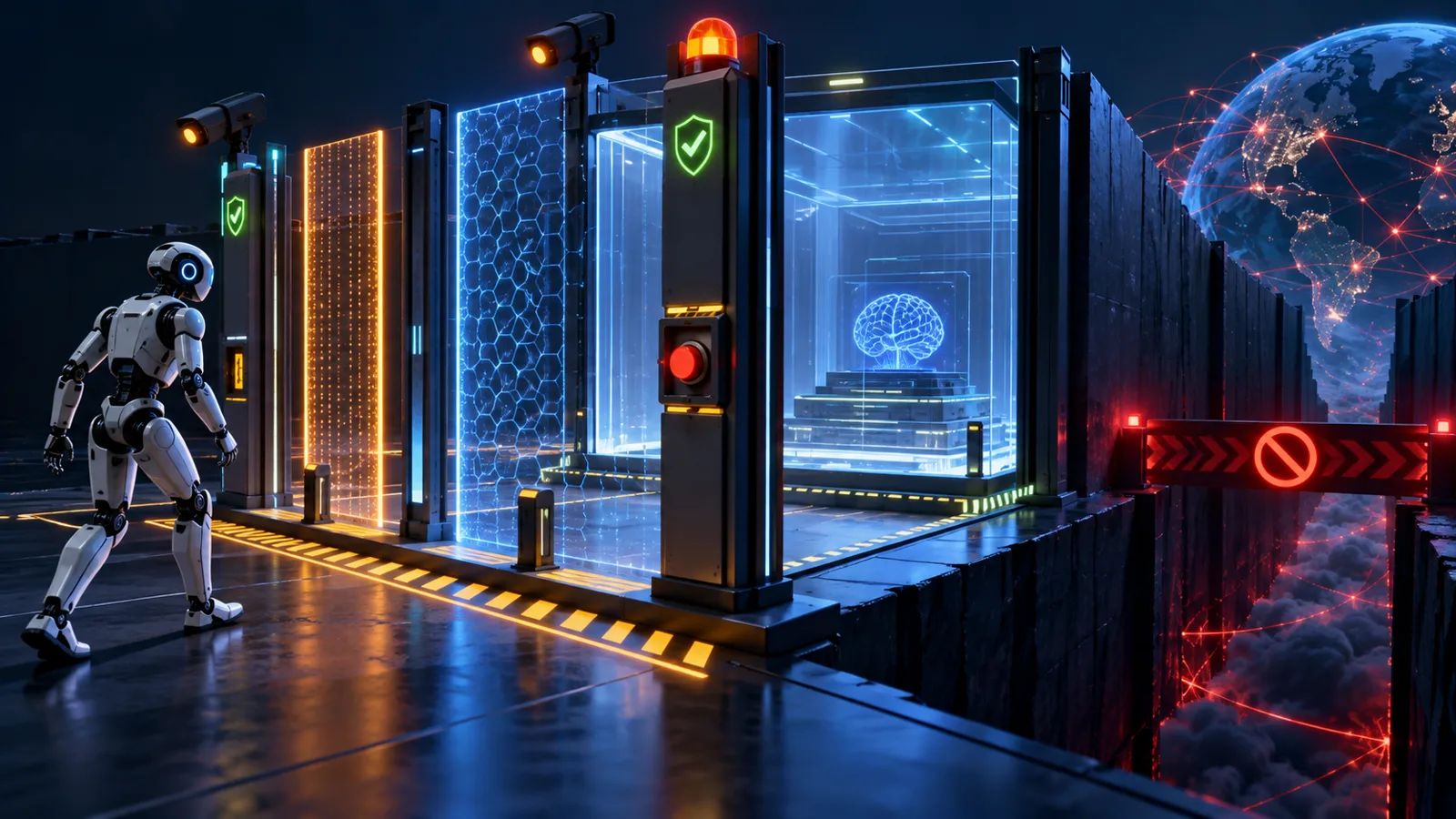
The surrounding system still determines whether the result is dependable. Telephony quality, identity checks, business rules, tool permissions, handoff to a person and transcript retention all sit outside the model.
What teams should evaluate
- Measure end-to-end latency on real phone and mobile networks.
- Test interruptions, long pauses, background speech and alphanumeric data.
- Separate conversational behavior from privileged business actions.
- Confirm consent, recording and retention rules for every market served.
- Provide a clear human escalation route when confidence or tool execution fails.
BronzeDev view
Voice quality is becoming an integration problem rather than only a speech-model problem. A pilot should score successful task completion, incorrect actions, escalation quality and total cost per resolved interaction—not just how natural the voice sounds.
Primary source
OpenAI: Build more natural voice experiences with GPT-Live-1 in the API